 Picking your fruit…Picking your fruit…
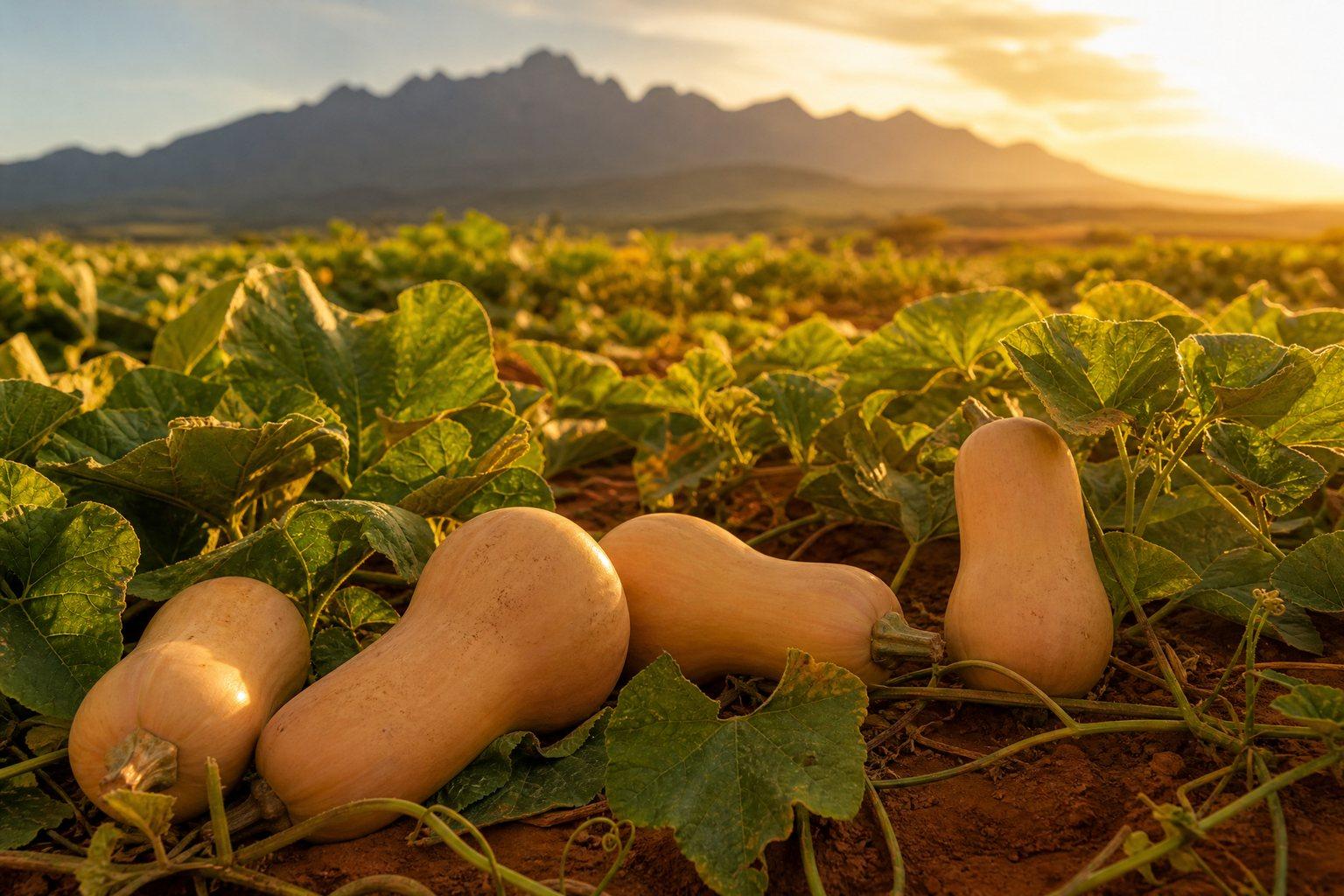
Sweet, nutty and dense with bright orange flesh. Our butternut comes off the fields through the height of summer.
One variety, picked from week 49 (Dec) to week 13 (Apr).
Swipe the calendar sideways to see every week.
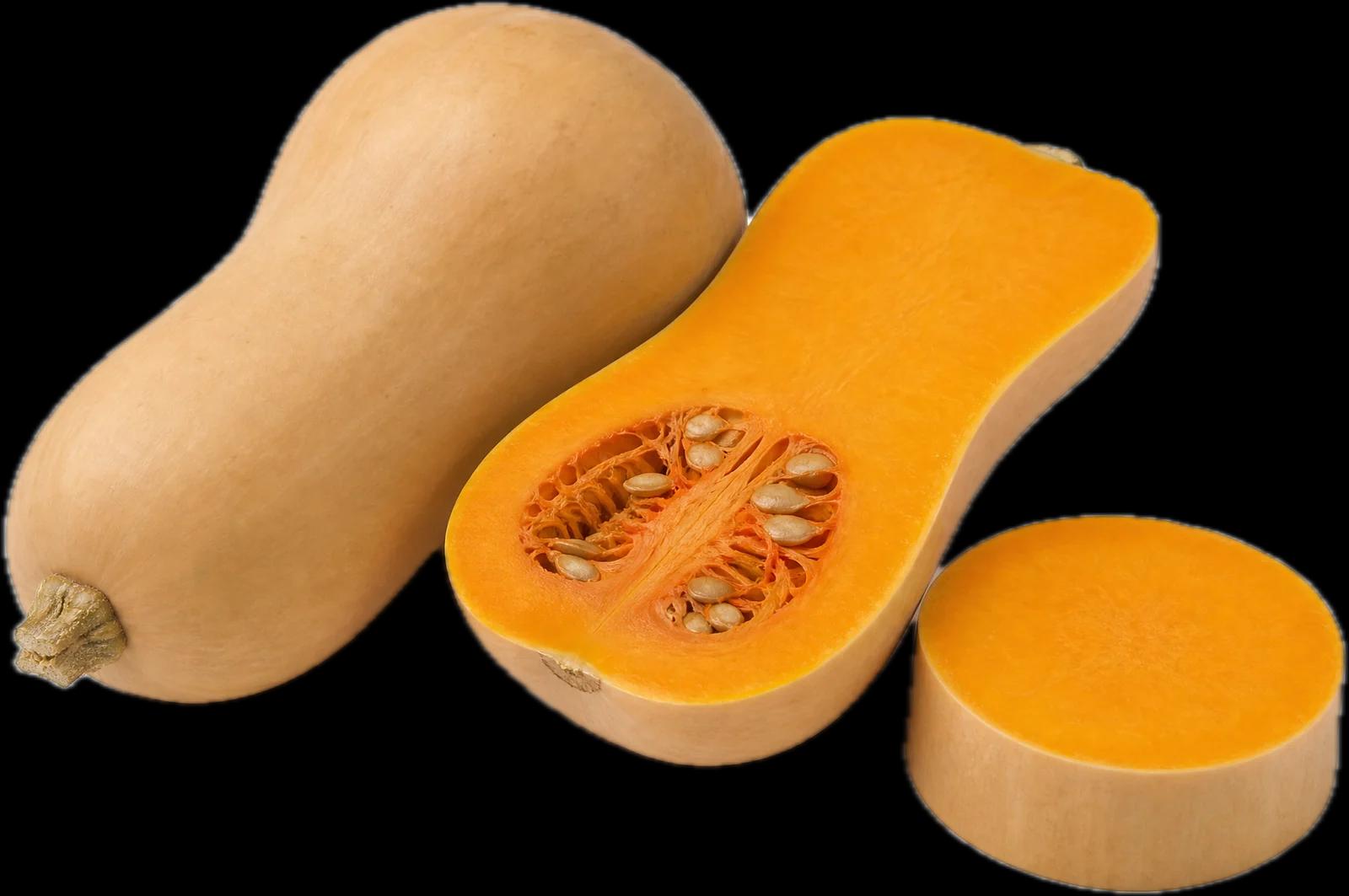
Butternut grows on long, trailing vines that spread across the field in summer. Each squash ripens in the sun until its skin turns an even, matte tan and hardens.
Once picked, the skin seals in the flesh, so a good butternut keeps for weeks. The long neck is all solid flesh, and the seeds sit neatly in the round bulb at the bottom.
Sweet, nutty butternut with dense orange flesh. Made for roasting, soup and the braai.
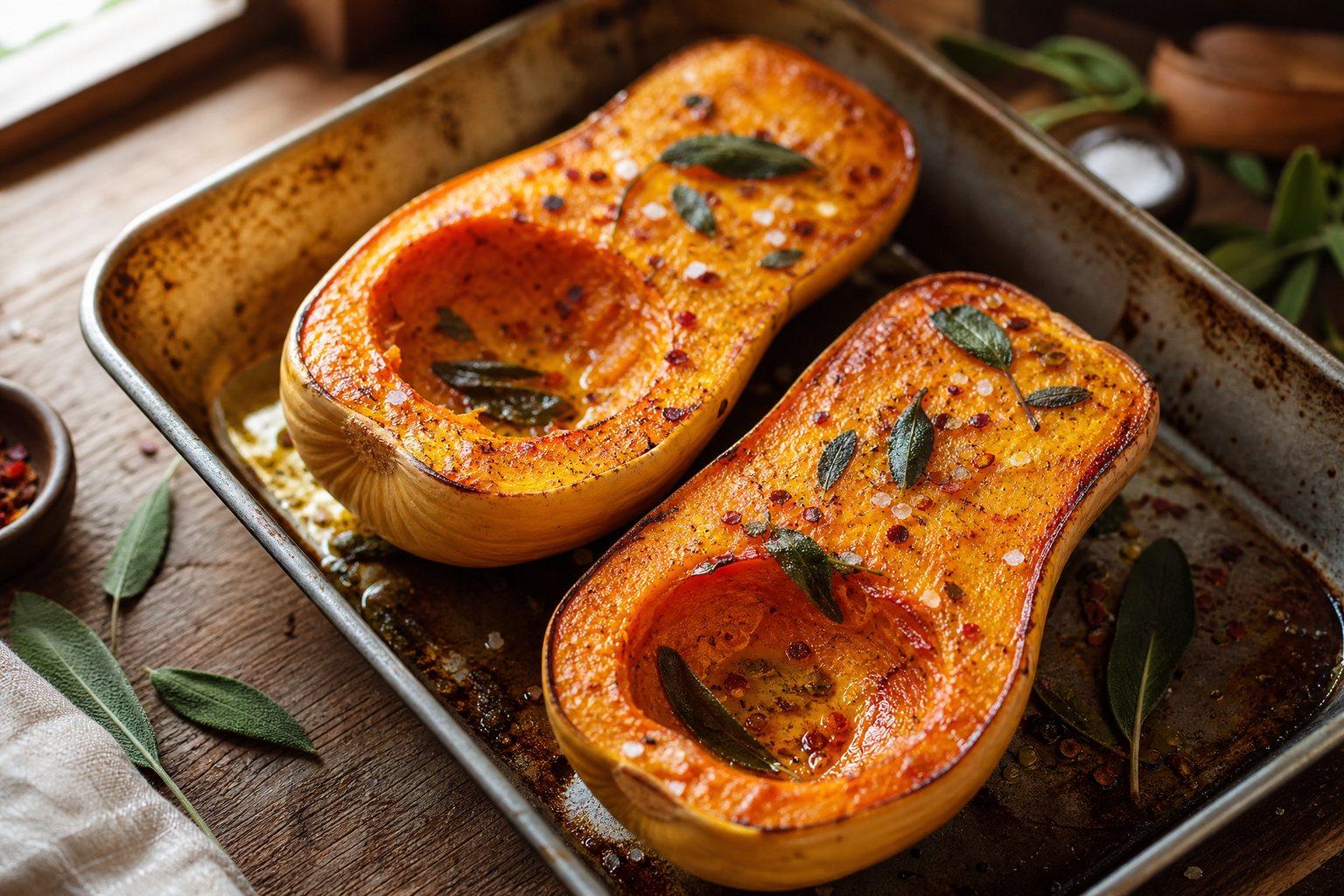
Halve it, drizzle with olive oil and roast until the edges caramelise. Sage, chilli and salt are all it needs.
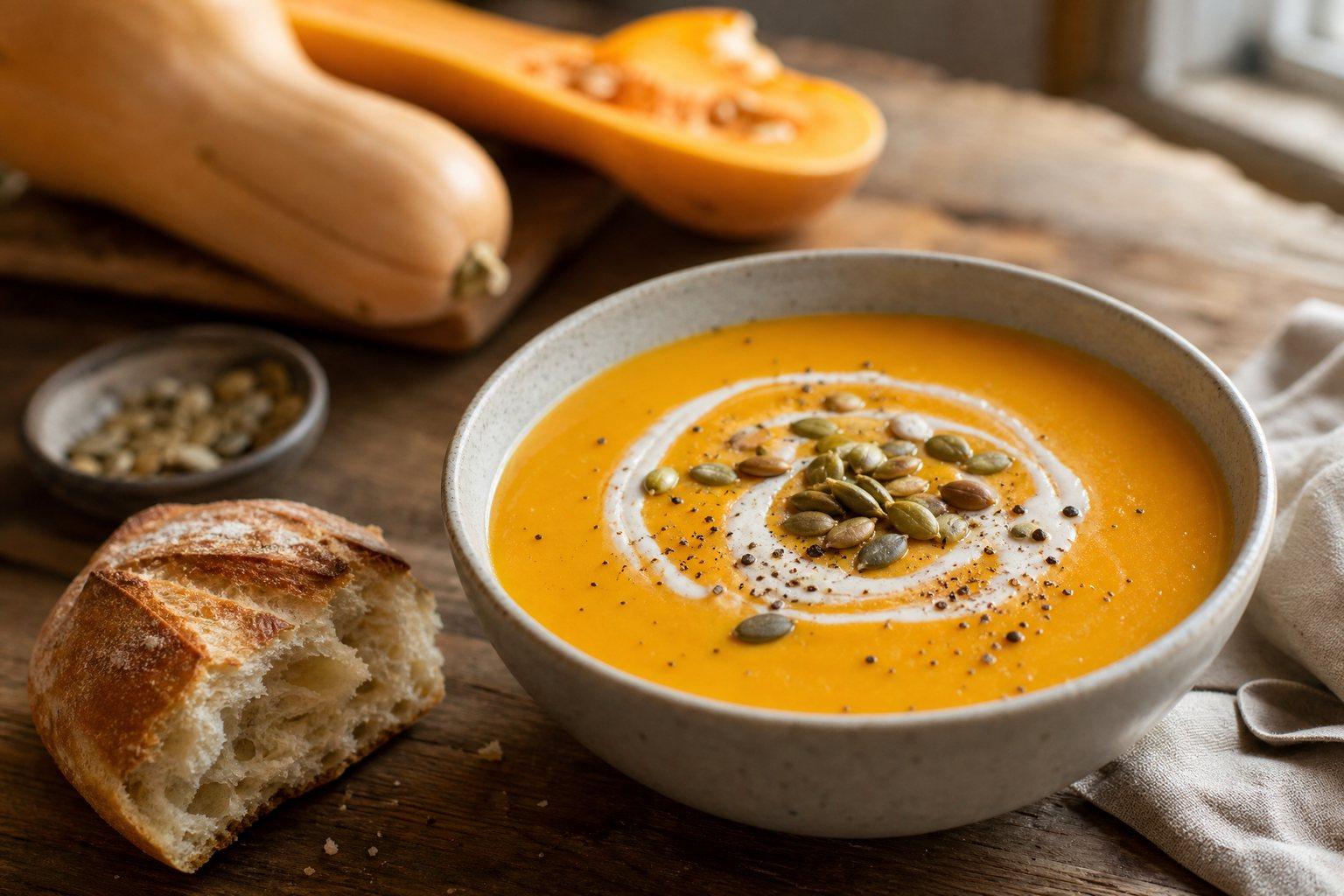
Simmer with onion and stock, then blend until silky. Finish with cream and toasted seeds.
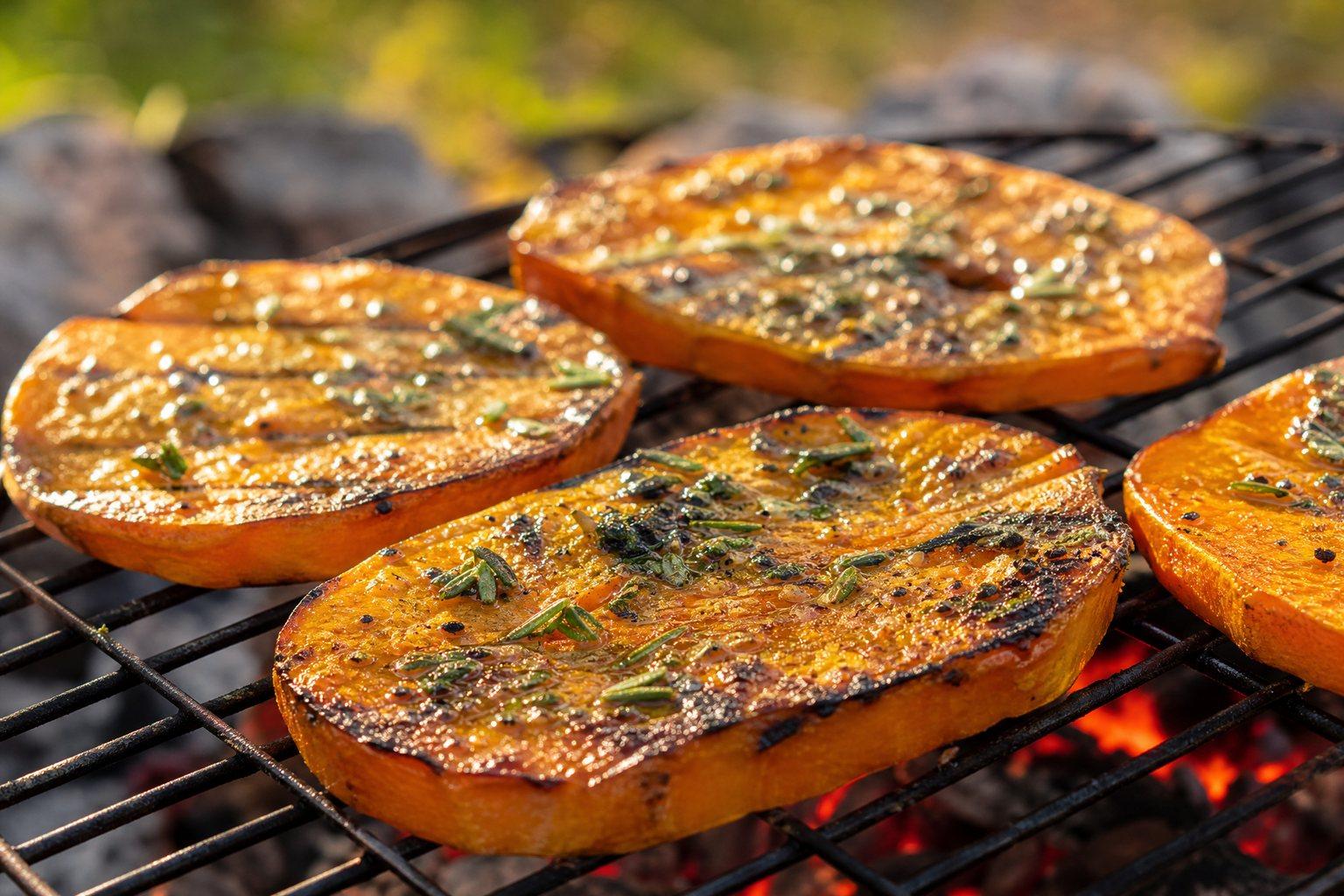
Thick slices brushed with butter and herbs char beautifully over the coals.
Figures for a cup of cubed butternut, about 140 g of fresh fruit. Low in fat and rich in vitamin A.
Source: USDA FoodData Central. Daily needs are the US FDA’s Daily Values for adults; fresh fruit varies, so treat these as a guide.
Choose a butternut that feels heavy, with a matte, even tan skin and no soft spots.
Whole, it keeps for a month or more in a cool, dry, airy place. No need for the fridge.
Once cut, wrap it and keep it in the fridge for up to five days.
Butternut belongs to Cucurbita moschata, a squash first grown thousands of years ago in Central and South America, alongside maize and beans.
The butternut we know was bred in Massachusetts by Charles Leggett, who crossed squash varieties looking for one with a long, solid neck and a smooth skin. He named it for being smooth as butter and sweet as a nut.
Butternut is now a South African kitchen staple, as much at home in a pot of soup as on the coals at a braai.
Watermelon, oranges and grapefruit, all grown and packed on the estate.