 Picking your fruit…Picking your fruit…
Our fruit · Oranges
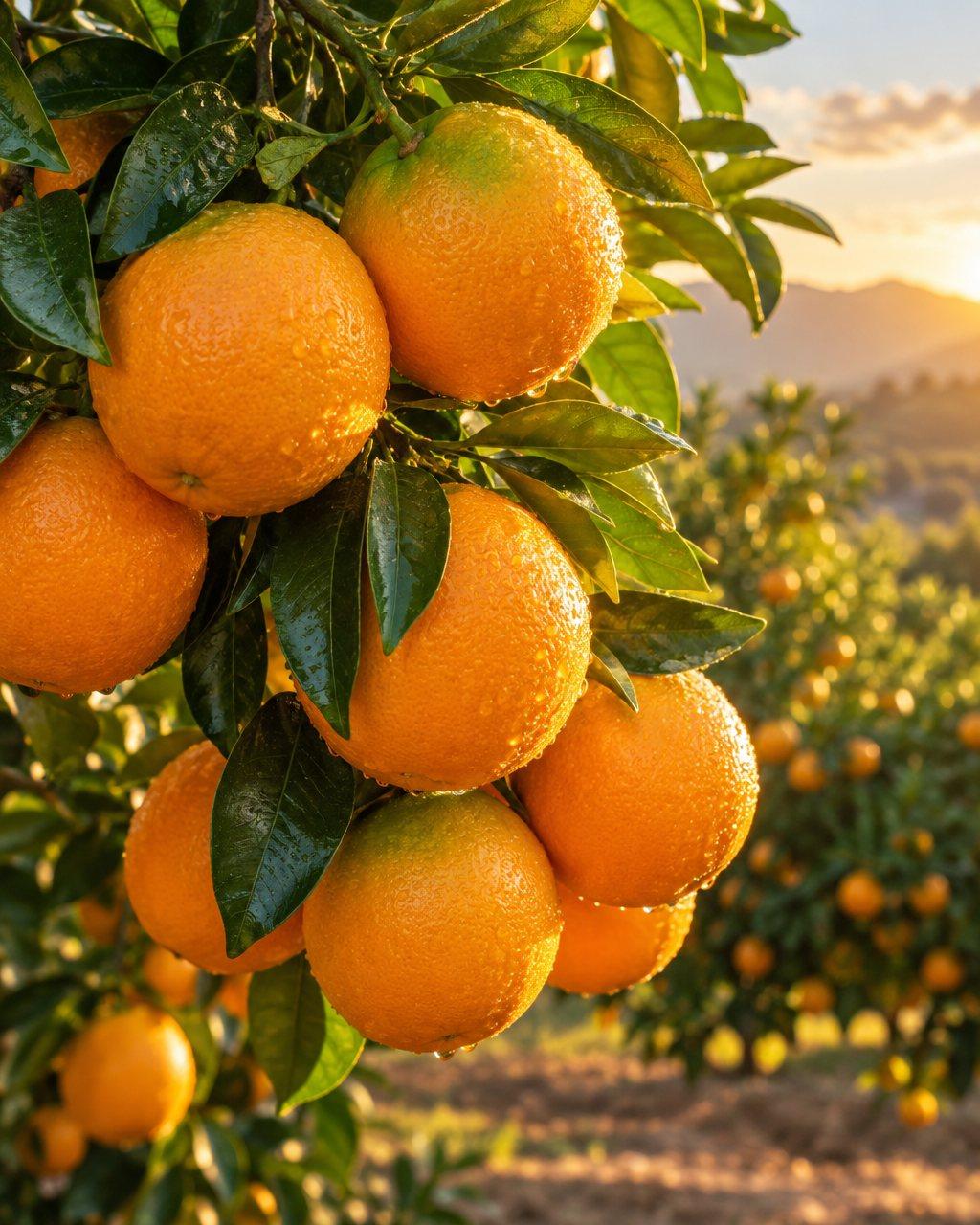
The late-season orange. Thin-skinned, heavy with juice, and the one to reach for when you want a glass of it.
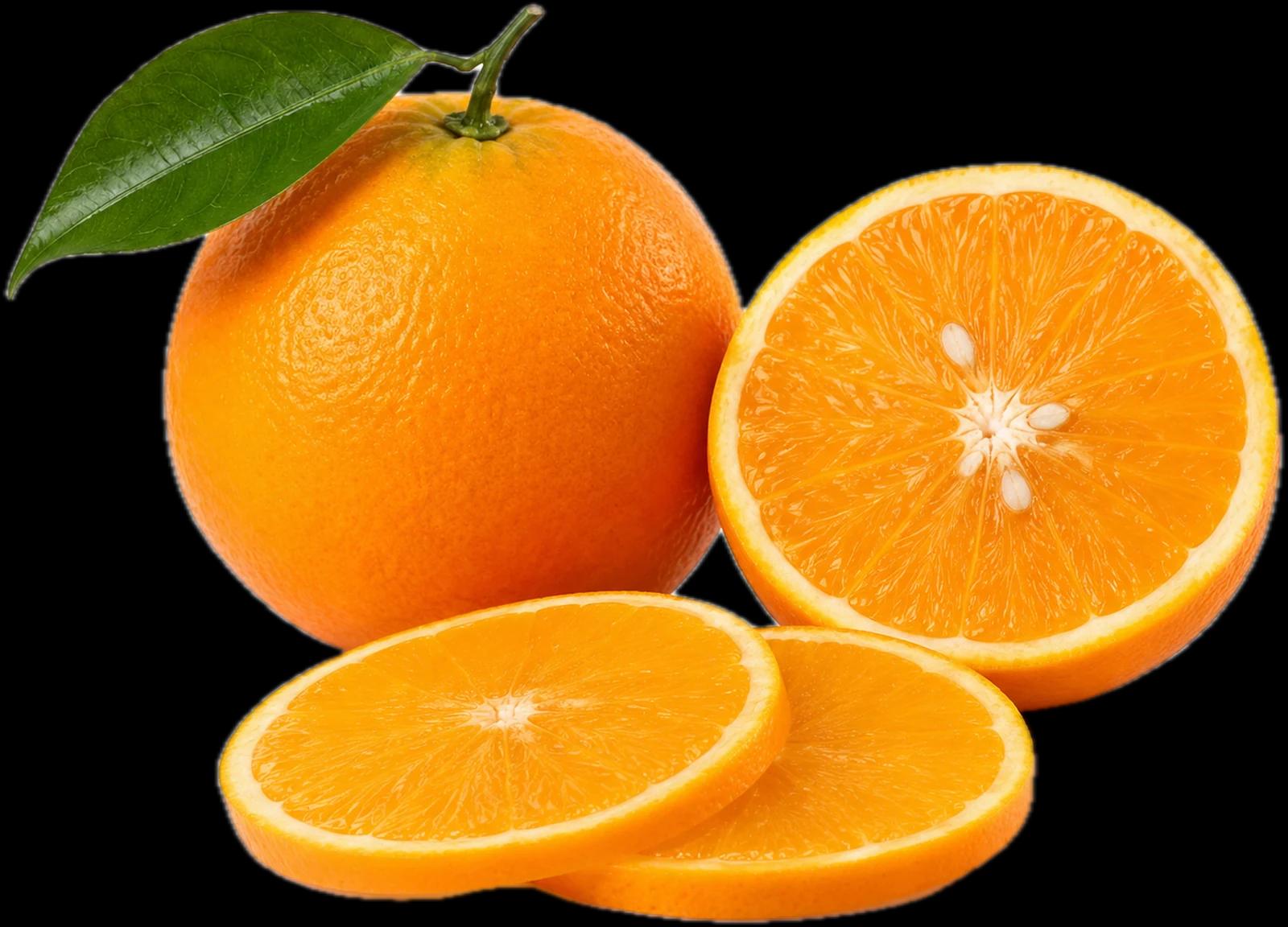
3 varieties, picked from week 28 (Jul) to week 38 (Sep).
Swipe the calendar sideways to see every week.
Valencias follow the navels, ripening through winter into spring. They hang on the tree for months, building juice and sugar the whole time.
In warm spells a ripe Valencia can turn faintly green again at the stem. It is still perfectly ripe inside: the tree simply pulls a little chlorophyll back into the peel.
Late-season, deeply juicy oranges that are just as good squeezed as eaten fresh.
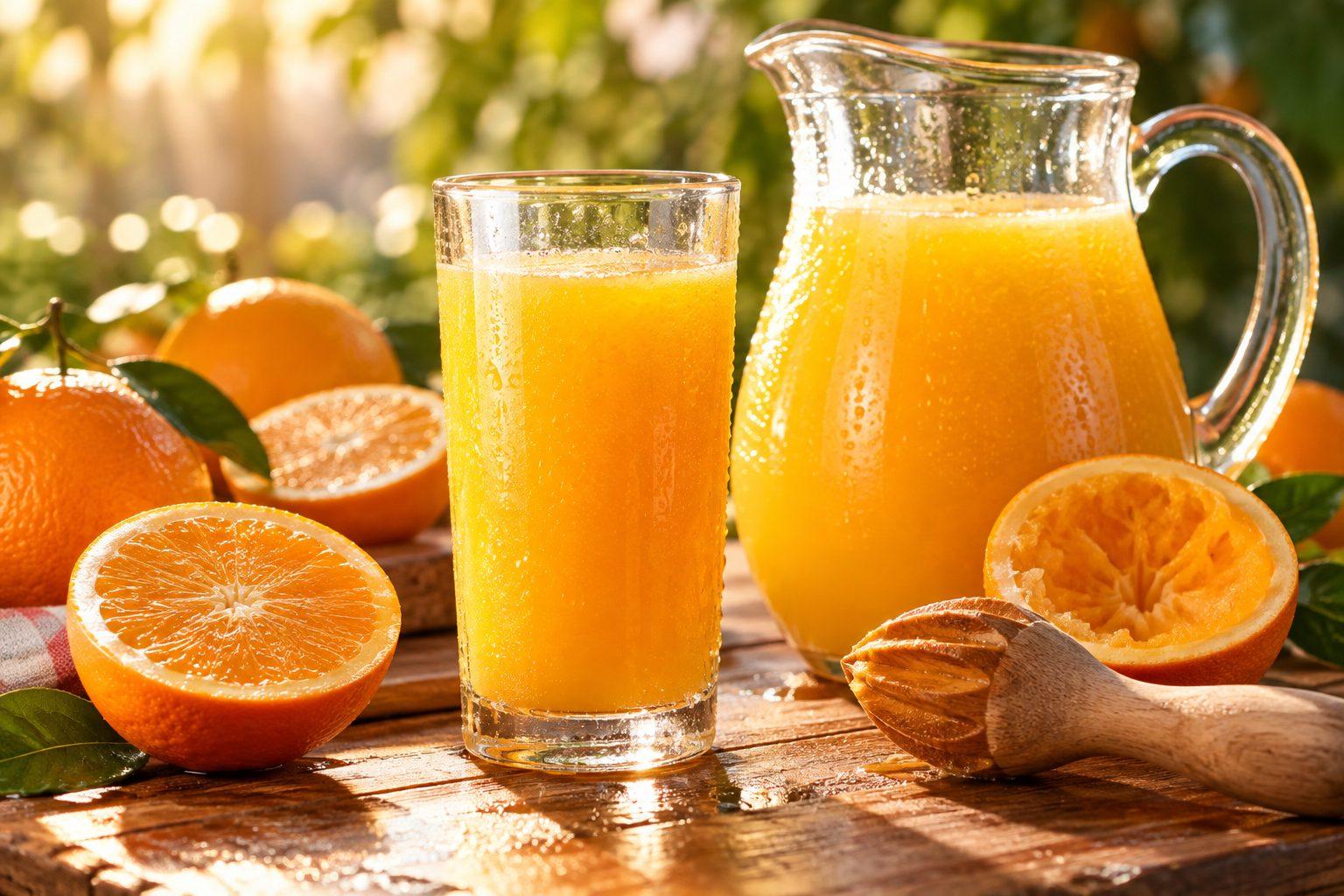
Valencias are the juicing orange: heavy with juice that keeps its flavour, so you can squeeze a jug ahead.
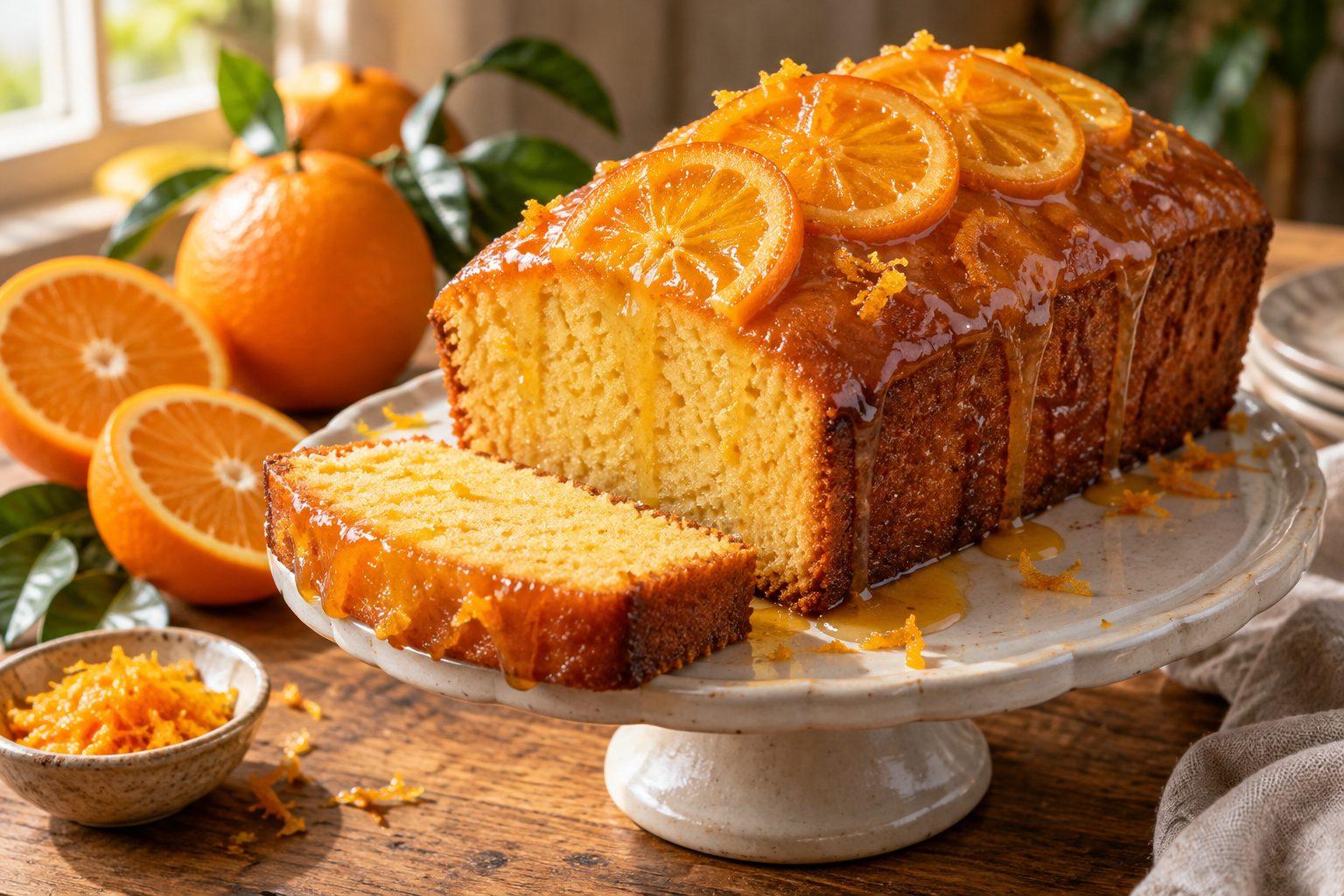
Zest and juice go into syrupy loaf cakes, glazes and puddings that stay moist for days.
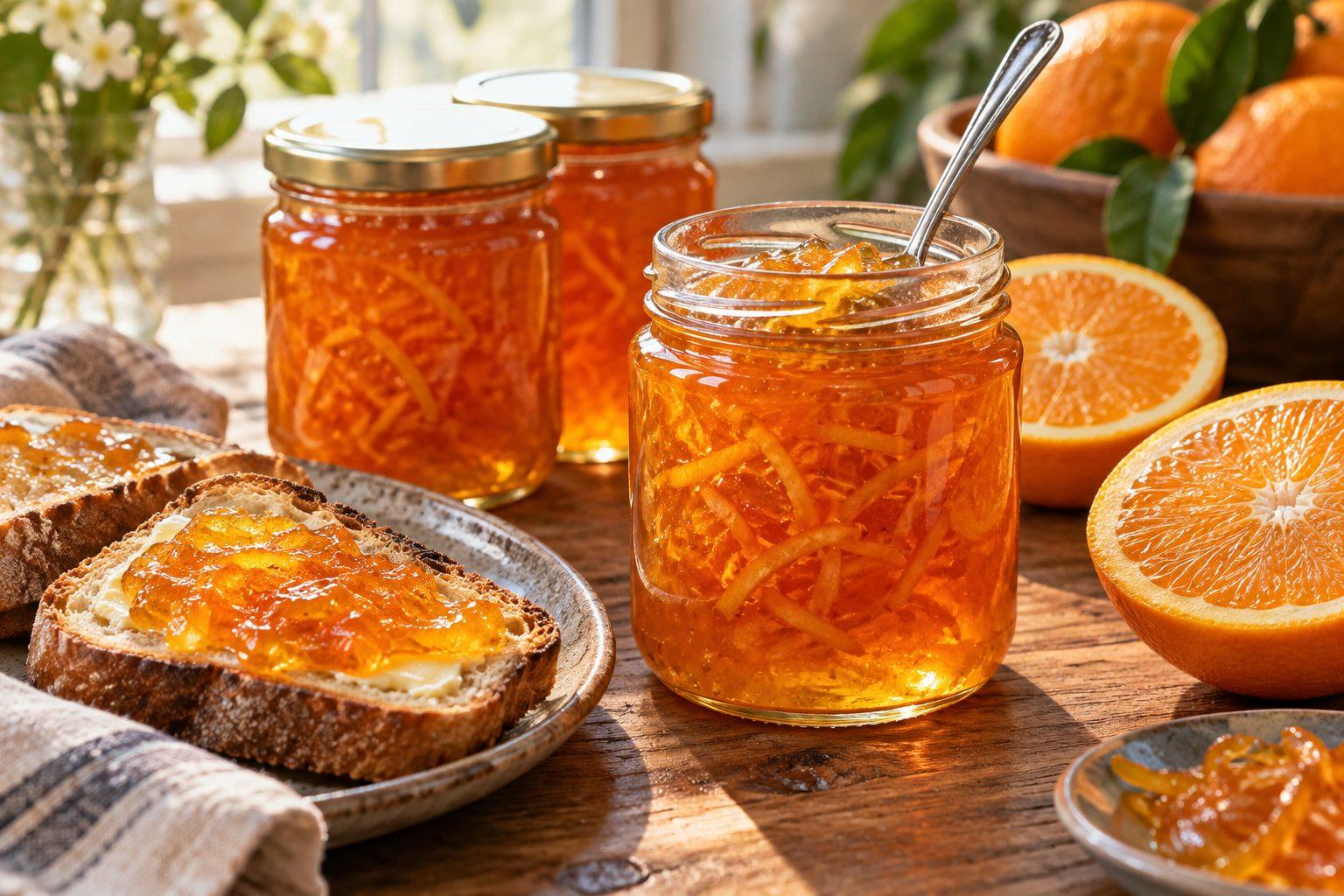
Thin, flavourful peel and plenty of juice make Valencias a good choice for a batch of marmalade.
Figures for one Valencia, about 121 g of fresh fruit. Low in fat and full of vitamin C.
Source: USDA FoodData Central. Daily needs are the US FDA’s Daily Values for adults; fresh fruit varies, so treat these as a guide.
A touch of green at the stem is normal and doesn’t mean unripe.
Valencia juice keeps its flavour, so it’s the orange for squeezing ahead.
Store in a cool place or in the fridge for up to three weeks.
Despite the name, the Valencia isn’t Spanish. Like every sweet orange its ancestors trace back to southern China, and no one knows exactly where the variety first appeared.
It made its name in California, where pioneer grower William Wolfskill is often credited with developing it on his farm in Santa Ana. By the 1880s it was being sold as the ‘Valencia Late’.
Its late season and juice that keeps its flavour made it one of the world’s most widely grown oranges, and the classic orange for squeezing.
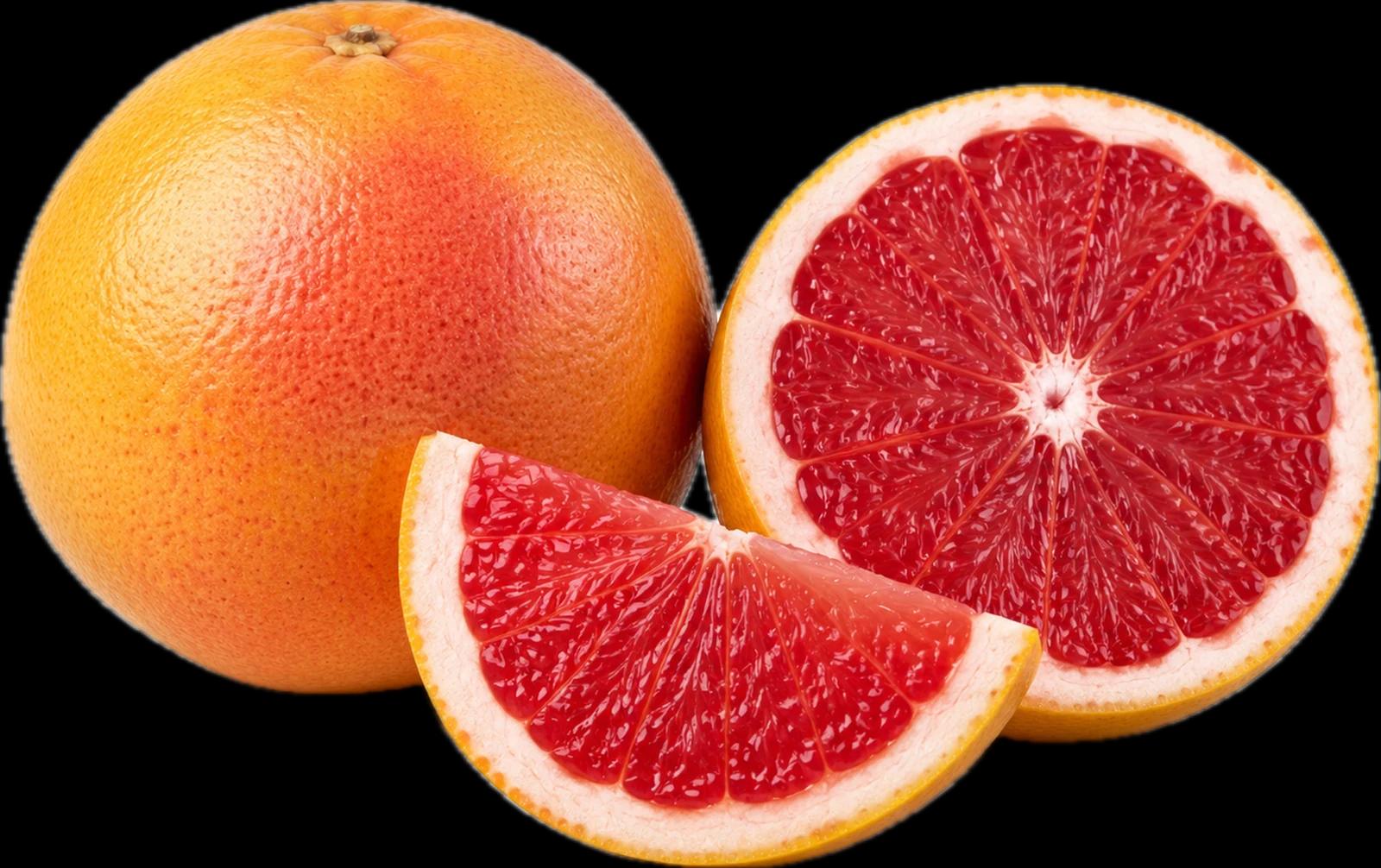
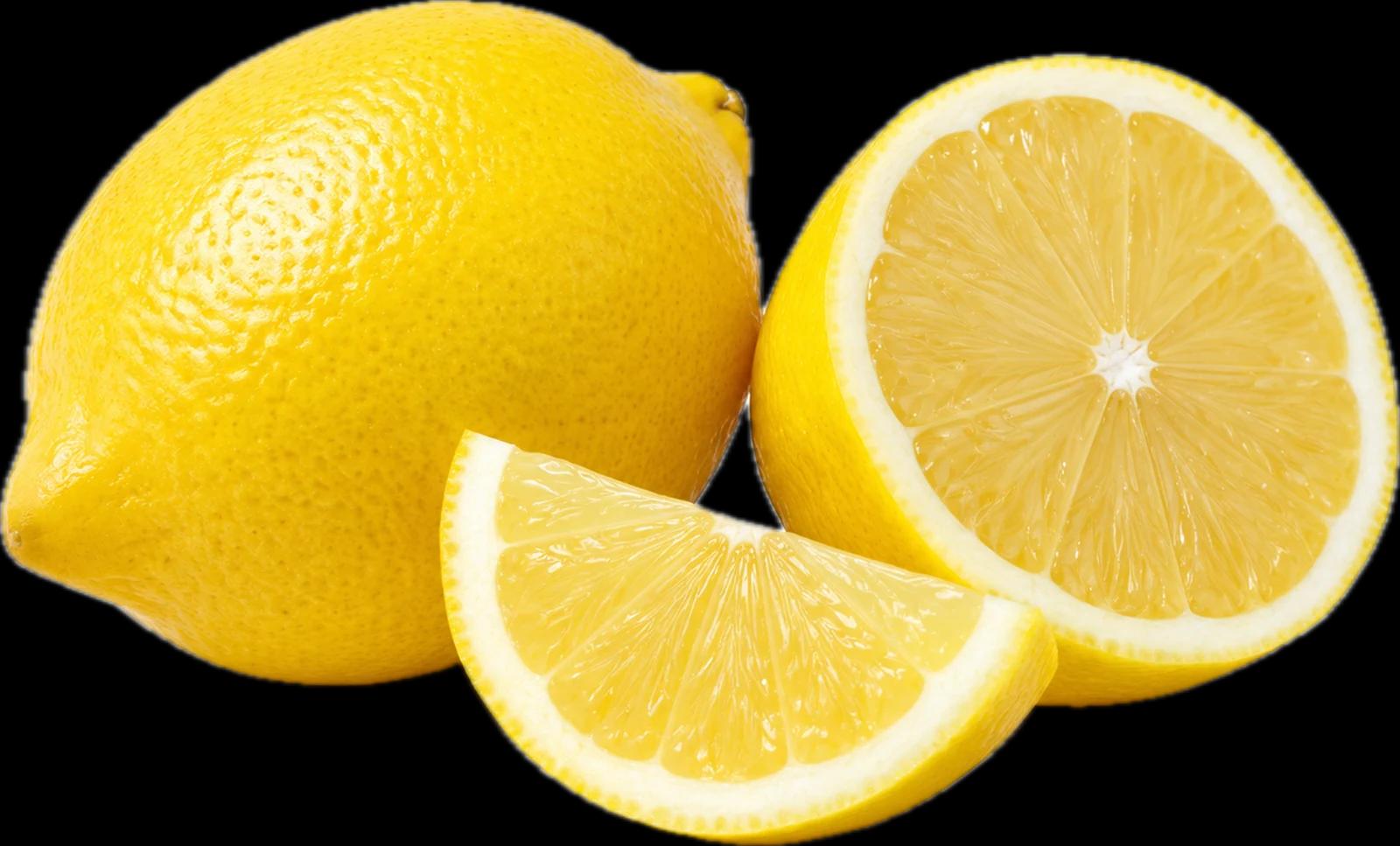
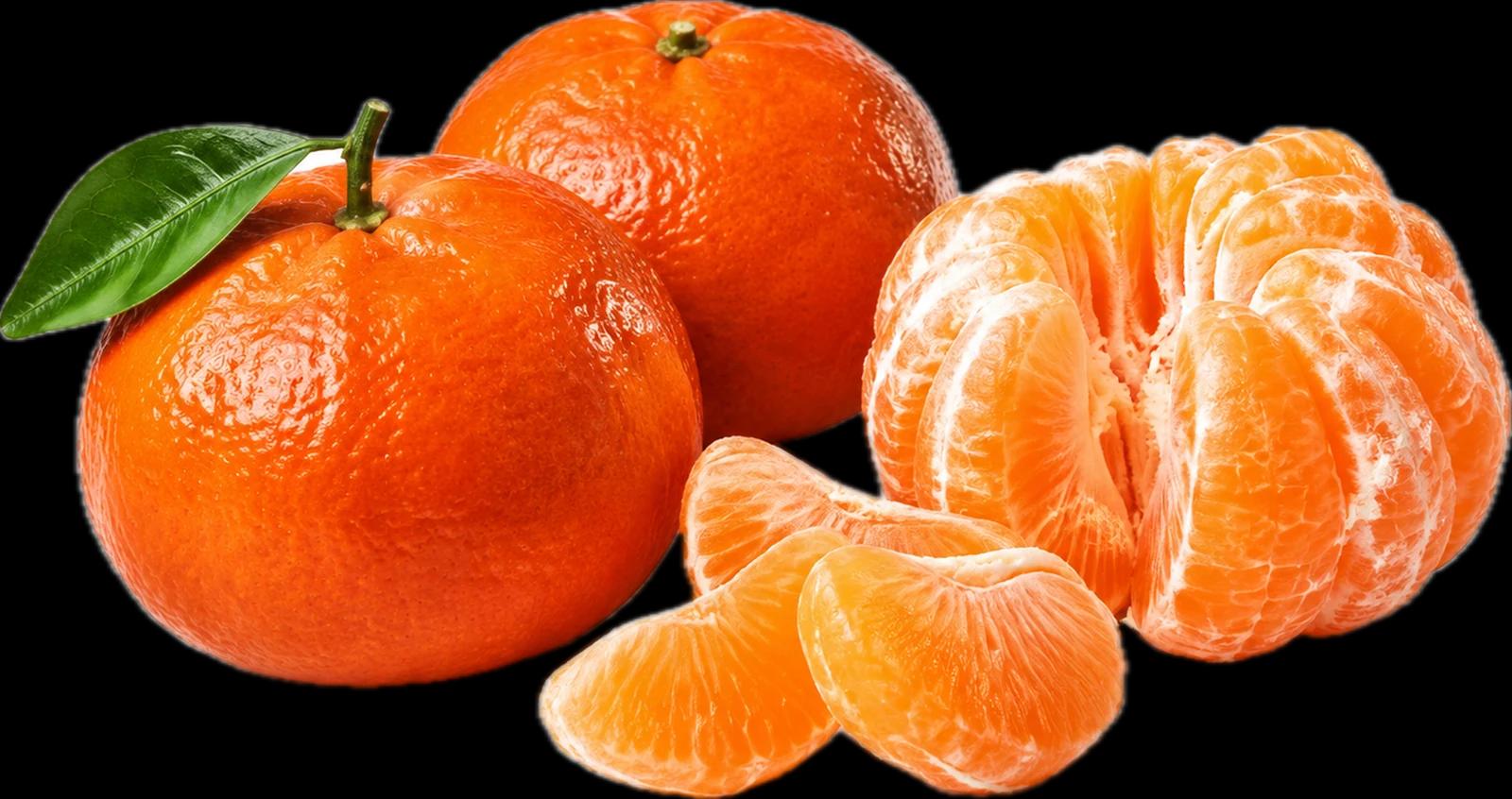
Grapefruit, lemons and soft citrus, all grown and packed on the estate.